
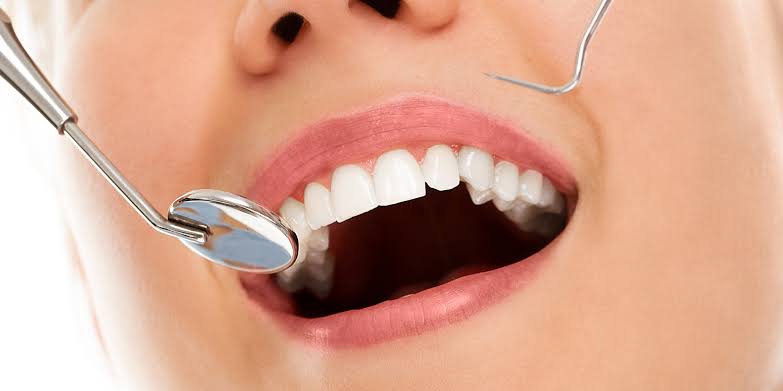
Introduction
The idea spread somewhere that professional teeth cleaning would damage teeth, loosen them, or create gaps. So people skip it year after year while their gums quietly deteriorate. This article addresses the three main myths directly and explains what cleaning actually does.
What Is Teeth Cleaning?
cleaning removes tartar (hardened plaque) from tooth surfaces. Regular brushing removes fresh plaque, but once plaque hardens into tartar, only a dentist can remove it. cleaning uses an ultrasonic scaler to break tartar loose, followed by hand instruments for remaining deposits. It is a routine preventive procedure, not a surgical one.
Where Did the Fear Come From?
The fear of scaling is largely based on what people notice immediately after the procedure: temporary sensitivity, and sometimes visible spaces between teeth that were not noticeable before. Both of these are misunderstood as signs that something went wrong. They are actually signs that the procedure worked. The sensitivity passes. The spaces were always there, just hidden under tartar buildup.
Myth 1 — Cleaning Damages Your Enamel
The scaler targets tartar, a calcium deposit on the enamel surface. Enamel itself is the hardest substance in the human body. The vibrations used in ultrasonic scaling are calibrated to dislodge tartar without abrading enamel. Professional scaling does not cause measurable enamel loss. What people mistake for damage is post-scaling sensitivity: the tartar was acting as an insulating layer, and once removed, teeth briefly react to temperature until the area settles. This resolves within one to two weeks.
Myth 2 — Cleaning Creates Gaps Between Your Teeth
The gaps that appear after cleaning were already there, filled with tartar. When tartar is removed, the actual tooth surfaces become visible for the first time in months or years. The spaces look unfamiliar because you were used to seeing your teeth with the buildup present. Actual gaps are caused by bone loss from untreated gum disease, which is what happens when cleaning is avoided too long.
Myth 3 — Cleaning Makes Your Teeth Loose
Some patients interpret the different feel of their teeth after cleaning as looseness. What is happening is that tartar bridging between teeth created a false sense of rigidity. When removed, each tooth moves independently as it should. Genuine loosening is caused by advanced periodontitis, where supporting bone has been destroyed by the chronic infection that cleaning was meant to prevent.
What Actually Happens If You Skip Cleaning?
Plaque hardens into tartar within 24 to 72 hours. Tartar beneath the gum line causes gingivitis, which progresses to periodontitis where the infection destroys the bone holding teeth in place. The result is mobility and tooth loss. The loose teeth and gaps people fear from cleaning are the actual outcome of skipping it.
How Often Should You Get cleaning Done?
For most adults, cleaning every six months is the standard recommendation. Patients with existing gum disease may need it every three to four months. Your dentist will advise based on your individual situation, but skipping it entirely is not safe for anyone.
cleaning at Kranti Dental Care
At Kranti Dental Care in Chhatrapati Sambhajinagar, Dr Sunita Doibale, Dr Pradyumna Doibale, and Dr Nikita Doibale perform cleaning as part of a complete oral health assessment. The procedure is gentle, uses calibrated ultrasonic equipment, and is followed by polishing. Patients with sensitivity concerns are accommodated, and the team takes time to explain what is happening during the procedure.
Om 25, Shri Vyankatesh Housing Society, Jawahar Colony Area, Near Chetak Ghoda Chowk, Chhatrapati Sambhajinagar
Call +91 9834878836 | Website: krantidental.com
Conclusion
cleaning does not damage enamel, does not create gaps, and does not loosen teeth. All three outcomes are caused by avoiding cleaning, not by doing it. If your last cleaning was more than a year ago, or if you have never had cleaning done because of these fears, book an appointment and find out what your gum health actually looks like.
FREQUENTLY ASKED QUESTIONS (FAQs)
Q1: Does teeth cleaning hurt?
cleaning is not painful for most patients with healthy gums. Patients with inflamed gums, significant tartar buildup, or sensitivity may experience some discomfort during the procedure. At Kranti Dental Care, cleaning is performed gently, and local anaesthetic gel can be applied for patients who are particularly sensitive.
Q2: Will my teeth feel sensitive after cleaning?
Some temporary sensitivity to hot or cold is normal for one to two weeks after cleaning. This happens because tartar was covering portions of the tooth surface, and those areas need time to adjust. The sensitivity resolves on its own. Using a sensitivity toothpaste during this period helps.
Q3: How long does a scaling session take?
A routine scaling session at Kranti Dental Care typically takes 30 to 45 minutes for a full mouth. Patients with heavier tartar buildup or gum disease requiring deeper cleaning may need more time or multiple sessions.
Q4: Is scaling covered under dental insurance in India?
Coverage varies by policy. Many dental insurance plans in India cover one cleaning session per year as a preventive treatment. Check with your insurer before your appointment. cleaning is also affordable enough as an out-of-pocket procedure that it should not be a barrier to getting it done.
Q5: Can I get cleaning done during pregnancy?
Yes, and it is actually recommended. Pregnancy increases the risk of gum disease due to hormonal changes, and untreated gum infection during pregnancy has been linked to preterm birth and low birth weight. The second trimester is generally considered the safest and most comfortable time for dental procedures including cleaning.
Q6: My dentist says I need deep cleaning, not just regular cleaning. What is the difference?
Regular cleaning (also called supragingival cleaning) removes tartar from the visible tooth surface above the gum line. Deep cleaning, or cleaning and root planing, removes tartar from below the gum line and smooths the root surface to help gum tissue reattach. Deep cleaning is recommended when there is evidence of periodontal disease with pocket formation. Both procedures are safe and effective.
Q7: I brush twice a day. Do I still need cleaning?
Yes. Brushing removes fresh plaque but cannot remove tartar once it has formed. Tartar tends to form in areas that are harder to reach with a toothbrush, such as behind the lower front teeth and along the gum margins. Even people with excellent oral hygiene benefit from periodic professional cleaning to remove the deposits that brushing and flossing leave behind.
Q8: Does cleaning whiten teeth?
cleaning removes tartar and surface staining caused by tea, coffee, or tobacco, which often makes teeth look noticeably cleaner and brighter. However, cleaning is not a whitening treatment. It restores the natural appearance of teeth, which can look lighter after cleaning, but it does not change the underlying tooth color. For actual whitening, a separate procedure is needed.
Q9: Can children get cleaning done?
Yes. Children and teenagers can develop tartar, particularly around braces or in areas where brushing is difficult. cleaning for children is done with instruments appropriate for their tooth size. Kranti Dental Care offers children’s dental services and can assess whether cleaning is needed during a routine checkup.
Q10: Where can I get teeth cleaning done in Aurangabad?
Kranti Dental Care, Near Chetak Ghoda Chowk, Chhatrapati Sambhajinagar provides professional cleaning and complete oral health assessment. Call +91 9834878836 or visit krantidental.com to book your appointment.